A compost bin works better when it is convenient enough to use. Choose an accessible position where you can carry materials, manage moisture, and remove finished compost without dismantling the garden.
Prepare the system
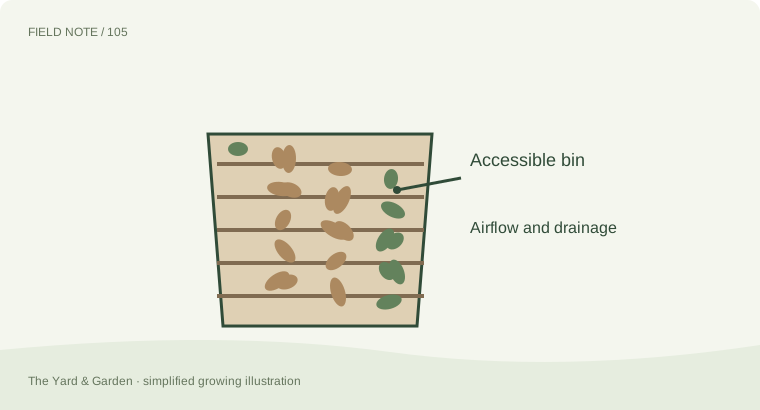
Use a bin or contained heap suited to your space and local requirements. Consider airflow, drainage, security against pests, and access for mixing. Keep it away from places where runoff could create a problem, and follow the bin manufacturer's siting instructions.
Store some dry brown material nearby, such as suitable shredded cardboard or dry leaves. That makes it easier to balance additions of moist kitchen scraps rather than letting a wet pile accumulate while you search for something dry.
Start with a manageable mix
Combine suitable carbon-rich browns with nitrogen-rich greens, keeping the material moist but not waterlogged. Break up dense clumps and bulky pieces. The aim is a mix that admits air, not a sealed container of food waste.
For an ordinary beginner backyard system, leave out meat, dairy, fats, pet waste, and uncertain treated materials. Check local guidance for unusual ingredients. Visit the bin regularly to notice smell, moisture, and change. Composting becomes easier when you treat those observations as feedback rather than expecting a fixed recipe to work untouched in every season.
Further guidance & source notes
These are background resources, not an endorsement of this website. Regional instructions and the needs of your plant take priority.