Watering help
Learn what the root zone needs before reaching for the can.
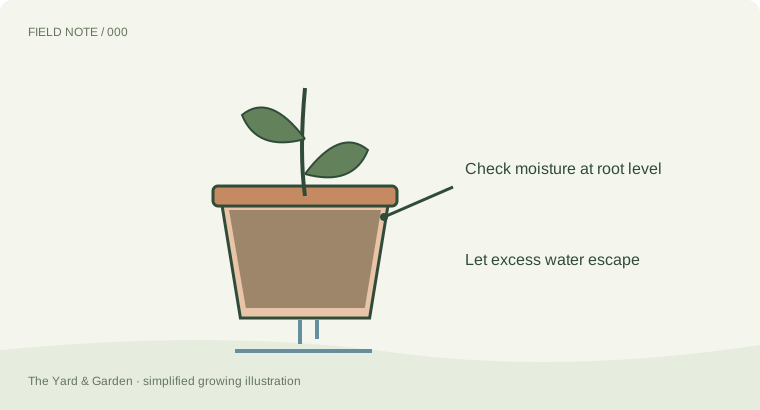
Check moisture below the surface
A pale, dry-looking top layer may conceal plenty of water around the roots.
Learn a pot's weight
Compare the same container with itself, not with a different plant beside it.
Water slowly enough for the mix to absorb it
A brief pause can be more useful than pouring a larger amount all at once.
Water runs straight through the pot
Runoff can mean a wet pot, a dry channel, or a root ball that needs attention.
Rewet a very dry root ball
Bring water back gradually rather than leaving the pot in a permanent bath.
Bottom watering has a beginning and an end
Use capillary uptake deliberately, then remove the excess water.
Empty the saucer after watering
Protecting the floor should not mean keeping ordinary roots submerged.
A wilting plant may already be wet
Check root conditions before giving a collapsed plant another drink.
Midday wilt does not always call for more water
Compare moisture and evening recovery before changing the routine.
Morning or evening watering?
Choose a useful time, but respond to a genuinely dry plant when it needs help.
Water seedlings without washing them away
Small roots need moisture without a heavy stream or a constantly soaked tray.
Water a newly planted root ball, not only the bed
The original nursery mix and surrounding soil may behave differently.
Water hanging baskets where you can check them
A beautiful basket still needs a safe, repeatable care routine.
Recheck containers after rain
Rain on the leaves does not always mean water reached the root ball.
Use a moisture meter as a clue
A number becomes useful only when you know what the probe is measuring.
Prepare pots before a short trip
Test the care arrangement before you leave the plants depending on it.
Self-watering pots still need checking
Learn how the reservoir and growing medium are designed to work together.
Misting is not the same as watering roots
A damp leaf and a hydrated root ball are different things.
Water differently as the season changes
A pot's needs can shift before its leaves look dramatically different.
Water at soil level where practical
Direct the water to the growing medium rather than using the leaves as a funnel.
Rainwater for a small garden
Storage needs a stable container, a secure cover, and a clear maintenance plan.
Tap water, softened water, and plant needs
Water quality is a specific question, not a reason to buy bottled water for every pot.
A household watering handover that works
Make it clear who checked the pot and whether it actually needed water.
Reduce water waste without stressing the plants
Better placement and targeted application usually come before clever equipment.