Container care
Make a little growing space work well, from rim to roots.
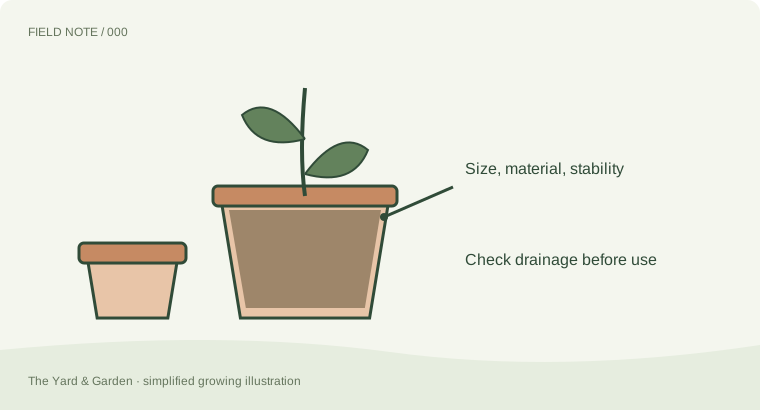
Choose a pot by its roots, not its flowers
The next container should fit the root ball and the plant's near future.
The drainage hole must lead somewhere
A hole is useful only when water can actually leave the container.
Terracotta or plastic?
Container material changes weight and drying, but neither is automatically better.
Use a decorative outer pot without trapping water
Lift, water, drain, and return: a simple routine for a pot inside a pot.
Three signs that repotting may be due
Use a combination of root, water, and growth observations.
Repot a small plant with less mess
Prepare the new home before lifting the plant from the old one.
Roots are circling the pot
First decide how tightly the root ball is bound and what the plant tolerates.
Leave watering space below the rim
A small gap helps water enter the mix instead of spilling onto the floor.
Group plants that want similar care
A mixed pot works better when its roots share the same basic needs.
Rotate a windowsill pot thoughtfully
Even exposure helps shape, but moving a plant is not a substitute for enough light.
Clean dusty leaves gently
Remove the dust without adding oils or a glossy coating.
Remove damaged leaves with a purpose
Decide whether a leaf is still useful before cutting it away.
Yellow leaves do not diagnose themselves
Check the pattern and root-zone conditions before reaching for fertilizer.
Brown leaf tips: start with the growing conditions
Damaged tips stay damaged, so judge the response in later growth.
Inspect a new plant before adding it to the group
A little separation makes it easier to spot an unwelcome arrival.
Small flies around the pot
Identify the insect and the damp conditions before deciding on control.
Feed a container according to its mix and growth
Find out what is already in the pot before adding another product.
A white crust on the pot or mix
Check mineral deposits and feeding before assuming that every pale mark is mold.
A potting mix that stays wet too long
Look at the plant, container, medium, and outlet as one system.
Protect potted roots from a hot surface
Paving and dark containers can add heat beyond the air temperature.
Give pots a stable place in the wind
A top-heavy plant needs a sound base and a suitable location.
Move a plant into brighter light gradually
Leaves formed in shade may not tolerate a sudden sunny position.
Bring outdoor pots inside with a plan
Inspect first, then prepare for different light, temperature, and drying.
A winter plan for outdoor containers
Roots above ground have less protection than roots in a garden bed.
Clean empty containers before replanting
Clear old roots and deposits before deciding whether disinfection is needed.
Refreshing a large pot without a full repot
Replacing the surface layer has limits when the roots or medium need attention.
Reuse nursery pots sensibly
Small plastic pots are useful when they remain sound, clean, and easy to identify.
Check a potting problem before buying a gadget
A few direct observations can narrow the problem without extra equipment.
Arrange a plant shelf so care stays possible
Leave room to lift pots, see leaves, and keep water away from sensitive surfaces.