A struggling pot can inspire a shopping list of meters, feeds, and additives. Begin with the things you can inspect directly.
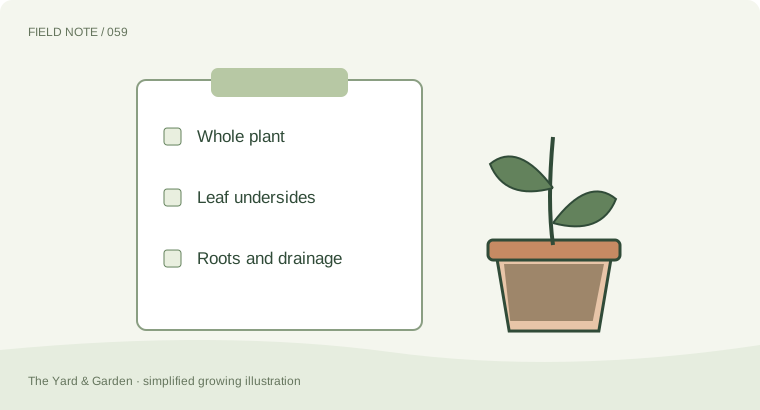
Look from leaves to base
Identify the plant. Check which leaves changed, whether insects are visible, and whether the location matches its needs. Feel the mix below the surface and lift the pot if its size allows. Inspect the saucer, outer container, and drainage outlet.
Review recent events: a move, a cold night, a missed watering, a stronger feed, or repotting. A timeline often explains more than a single reading from a probe.
Write down what remains uncertain
If the roots have not been inspected, say so. If a leaf mark might be a pest or damage, photograph it rather than naming it too quickly. Measurements become useful when you know what question they are intended to answer.
Choose the next step from the evidence. A meter may help in a particular situation, but it cannot identify every root disease, interpret seasonal dormancy, or correct an unsuitable container. The best beginner tool is often a repeatable observation routine that lets you notice a meaningful change before the plant is in serious difficulty.
Further guidance & source notes
- University of Maryland Extension: Potting and repotting indoor plants
- University of Maryland Extension: Growing media for containers
These are background resources, not an endorsement of this website. Regional instructions and the needs of your plant take priority.