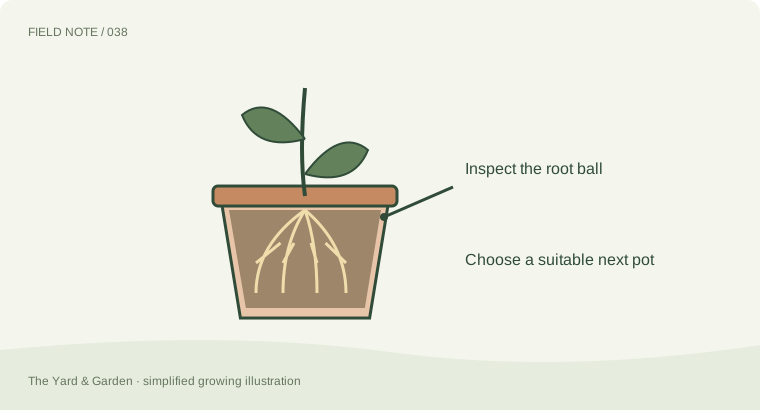
Fine roots at the outside of a nursery root ball are normal. A dense spiral that holds the shape of the pot after removal tells a different story.
Handle the root ball deliberately
Moisten a very dry plant before working where appropriate, and support its weight. For many young container plants, gently loosening accessible circling roots helps them enter fresh mix. Do not tear apart every root ball as a rule; some plants resent disturbance.
Heavy root pruning is a species-specific task. If the roots are woody, severely congested, or unfamiliar, seek advice for that plant before cutting. Brown coloring alone does not prove a root is dead; texture, smell, and species matter.
Avoid the opposite extreme
Moving a cramped plant into an enormous pot can create a large volume of wet medium beyond its current roots. Choose a sensible next size and a suitable mix with drainage.
After planting, water reaches the old root ball and new medium differently. Check both while the plant establishes. Watch for new growth and improved moisture behavior rather than expecting circling roots to visibly straighten overnight. The useful goal is new root growth into the surrounding mix, with the plant stable enough above ground to support that work.
Further guidance & source notes
- University of Maryland Extension: Potting and repotting indoor plants
- University of Maryland Extension: Growing media for containers
These are background resources, not an endorsement of this website. Regional instructions and the needs of your plant take priority.