Wind affects more than the leaves. It can dry the mix, rock a developing root ball, and overturn a pot that seemed stable on a calm day.
Check the whole arrangement
Look at container width, plant height, support, and exposure. A tall plant in a narrow light pot may need a different container or a more sheltered position. Keep pots away from edges where a fall could injure someone or damage property.
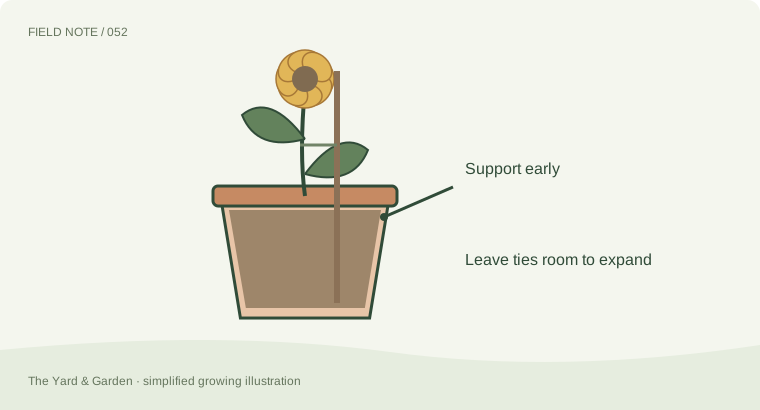
Use appropriate plant supports without tying stems rigidly against all movement. Check ties regularly as stems grow. Secure screens and temporary protection properly so they do not become the thing that blows into the planting.
Expect a different water pattern
Wind can increase drying even when temperatures are moderate. Inspect the root zone rather than assuming a cloudy day means the pot has used little water. Pay special attention to small hanging containers and newly transplanted plants.
For a permanently exposed space, choose compact plants suited to the local conditions. Repeatedly rescuing a tender, top-heavy arrangement may be less satisfying than changing the planting. A container garden is movable in principle; making that movement practical and safe is part of its design.
Further guidance & source notes
- University of Maryland Extension: Potting and repotting indoor plants
- University of Maryland Extension: Growing media for containers
These are background resources, not an endorsement of this website. Regional instructions and the needs of your plant take priority.