Yellow is a symptom, not a complete explanation. Too much water, too little water, unsuitable light, nutrient problems, pests, and ordinary leaf aging can all be involved.
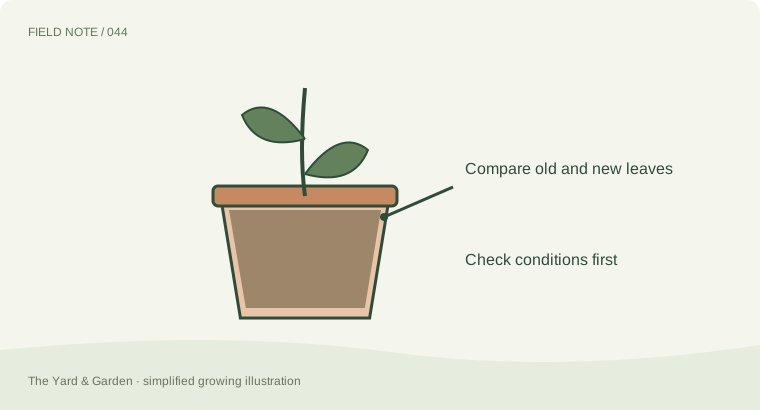
Ask three useful questions
Which leaves are changing: oldest, newest, or most of the plant? How quickly is it happening? What does the mix feel like below the surface? Write those observations before labeling the problem.
Inspect the drainage arrangement, including hidden water in a decorative outer pot. Review recent moves, repotting, feeding, and weather changes. A pale plant in wet mix should not automatically receive another watering with added fertilizer.
Make the next action specific
If the root zone is dry, address how water reaches it. If it remains saturated, investigate drainage and root condition. If only one old leaf is fading while new growth is healthy, a major intervention may be unnecessary.
For persistent or widespread yellowing, identify the plant accurately and seek local diagnostic help with photographs of the whole plant and its pot. Avoid stacking remedies. Changing light, fertilizer, watering, and medium at once makes it difficult to know what helped and can stress a plant that already needs more careful observation.
Further guidance & source notes
- University of Maryland Extension: Potting and repotting indoor plants
- University of Maryland Extension: Growing media for containers
These are background resources, not an endorsement of this website. Regional instructions and the needs of your plant take priority.