A garden notebook is useful when it is easy to maintain. You do not need a daily diary or a perfect photograph of every flower.
Record the decisions
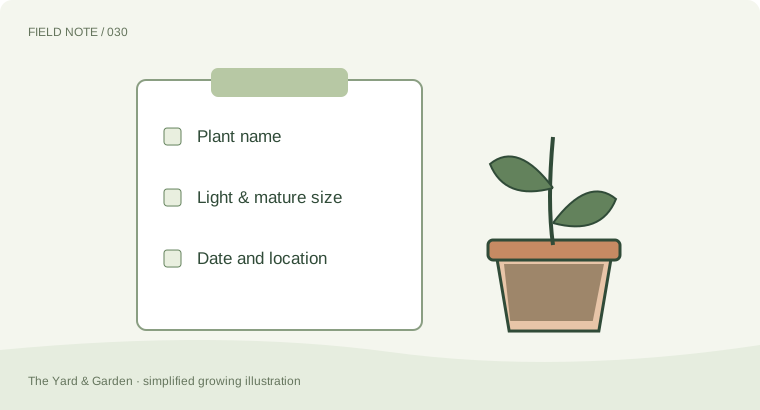
Write down the plant's full name, the date you planted it, and its location. Add the type of container or bed, the mix used, and any fertilizer already included. A photograph of the label saves transcription and preserves details you might not yet understand.
When something changes, note what you observed before what you think caused it. “Mix wet below the surface; lower leaves yellow” is more useful than “overwatered” if the diagnosis later proves incomplete.
Compare a few key moments
Take a picture at planting, at the best display, and when the season changes. Record whether roots were crowded, how the pot handled hot weather, and which maintenance tasks were awkward. These are practical clues for selecting next year's plant or container.
Avoid turning the notebook into a scorecard. A plant that failed can reveal a poor site match, an unsuitable season, or an unreliable watering setup. That information has value. The goal is to reduce repeated guessing, not create a written record in which every flower must count as a success.
Further guidance & source notes
- University of Minnesota Extension: Starting seeds indoors
- University of Minnesota Extension: Lighting for indoor plants and starting seeds
These are background resources, not an endorsement of this website. Regional instructions and the needs of your plant take priority.