The instruction “cover lightly” is easy to overdo. A seed hidden under a generous handful of mix may have much farther to travel than it can manage.
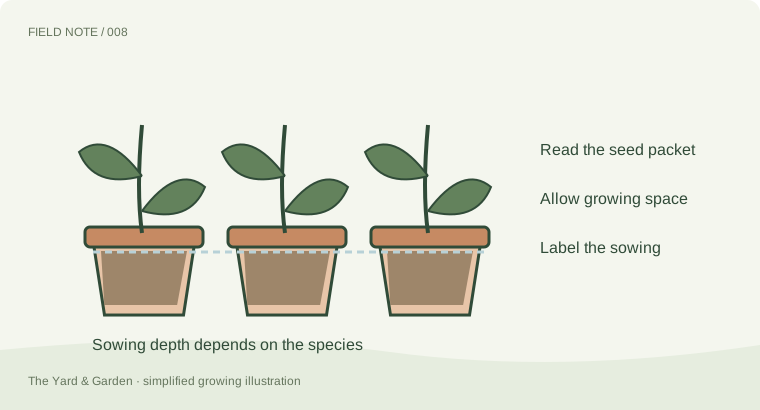
Let the packet set the depth
Find the recommended depth for the particular flower. Some seeds require light and are pressed onto the surface; others need a covering. When instructions are missing, look up the botanical name before improvising.
Use a fine, even layer where covering is required. Large bark pieces create an irregular surface and make a shallow sowing difficult. After sowing, dampen gently so seeds remain where you placed them.
Keep surface-sown seed from drying out
Small exposed seeds can lose moisture quickly. A suitable cover can help during germination, but it also needs daily checking. Keep the tray out of scorching direct sun beneath a closed lid, and ventilate or remove the cover as growth appears.
If nothing emerges, do not immediately dig through the tray. Check the expected germination range, temperature, moisture, and age of the seed. Record what you did before starting a fresh small trial. Changing depth, temperature, and watering all at once might produce seedlings, but it will teach you less about what went wrong the first time.
Further guidance & source notes
- University of Minnesota Extension: Starting seeds indoors
- University of Minnesota Extension: Lighting for indoor plants and starting seeds
These are background resources, not an endorsement of this website. Regional instructions and the needs of your plant take priority.