Using less water is not the same as leaving plants repeatedly wilted. Begin by reducing the water that never reaches a useful root zone.
Four practical changes
- Repair leaking hoses and check irrigation connections.
- Direct water to the growing medium instead of paths and foliage.
- Group compatible plants where checking and watering are straightforward.
- Use suitable mulch in beds, keeping it clear of plant crowns and stems.
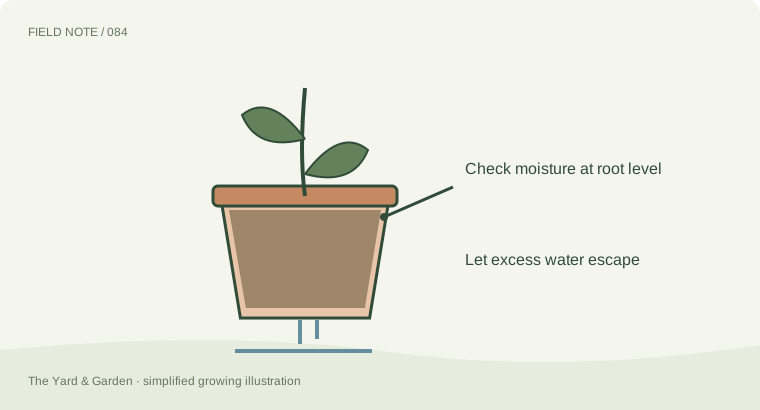
Choose plants that fit the climate and exposure rather than maintaining a demanding planting through constant rescue. In containers, appropriate size and medium can make moisture easier to manage, though larger pots also require more space and safe support.
If installing drip irrigation, test each outlet and inspect the root zone afterward. A working timer does not prove that every plant received the intended amount. Recheck after changes in weather, growth, or pressure.
Keep the outcome visible: healthy plants, less runoff, and a routine you can maintain. Saving water should be based on observation of actual demand and delivery. A garden can become more efficient through many small corrections, without requiring every plant to tolerate conditions it was never suited to survive.
Further guidance & source notes
- University of Minnesota Extension: Fertilizing and watering container plants
- University of Maryland Extension: Potting and repotting indoor plants
These are background resources, not an endorsement of this website. Regional instructions and the needs of your plant take priority.