Finished compost should not smell like a bin of rotting food. Strong unpleasant odors from an active heap are a reason to inspect its condition.
Open up the problem
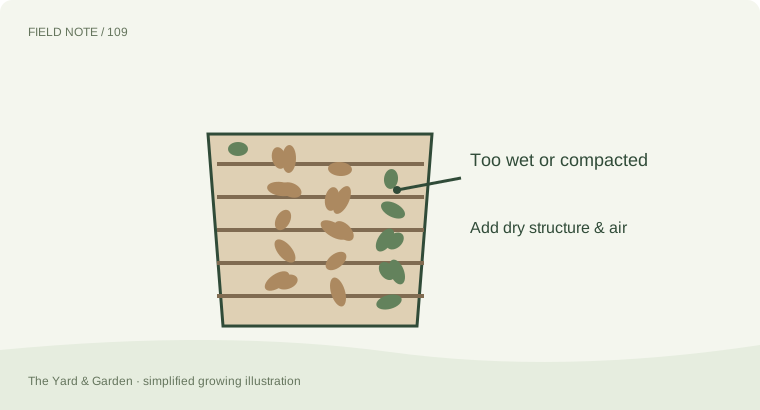
Look for thick wet layers, compacted grass, and an excess of fresh scraps. Turn or mix the material where the system allows, introducing air and breaking up dense clumps. Incorporate suitable dry browns if the contents are too wet or lack structure.
Check whether rain is flooding the bin or drainage is obstructed. A cover can help manage water, but the system still needs airflow; sealing a wet heap tightly is not the objective.
Revisit what went in
Meat, dairy, fats, and other unsuitable materials can create difficulties in an ordinary beginner heap. Remove or redirect inappropriate additions through an accepted local route when practical.
After adjustment, allow the system time to respond and monitor it. Do not pile on more kitchen waste while the existing contents remain wet and poorly aerated. If the problem is mostly too much input for the space available, reducing additions or using a collection service may be the most practical change. A compost bin is a process with a capacity, not an unlimited destination for anything biodegradable.
Further guidance & source notes
These are background resources, not an endorsement of this website. Regional instructions and the needs of your plant take priority.