Turning is often described as a compulsory weekly task. In practice, the useful frequency depends on your composting method, materials, and how actively you want to manage the batch.
Look for a purpose
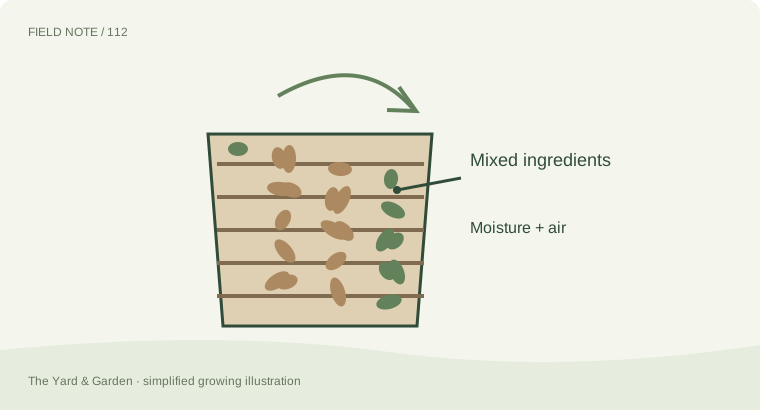
Turn to break up compacted layers, mix wet and dry areas, or move less-decomposed material into a more active part of the pile. Use tools and a working position you can manage safely. Do not lift loads beyond your capacity merely to follow a schedule.
As you work, notice moisture and smell. Add water or dry structure only if the observations justify it. Repeated turning cannot compensate for continuing additions of unsuitable material or a bin that is always flooded.
Keep a batch able to finish
If fresh scraps are added everywhere every day, finding a finished portion becomes difficult. Separate an active filling area from a maturing batch where your space allows, or follow the design of a compartmented system.
A passive heap may need less intervention and more time. An actively managed hot pile usually needs closer monitoring. Choose the effort level deliberately. Turning is a way to improve conditions within the material, not a ritual whose completion by itself proves the compost will be ready on a certain date.
Further guidance & source notes
These are background resources, not an endorsement of this website. Regional instructions and the needs of your plant take priority.