A worm bin can suit a household with limited outdoor space, but it is a living system that needs monitoring. It is not a sealed food-waste container with worms added at the end.
Learn the system before buying worms
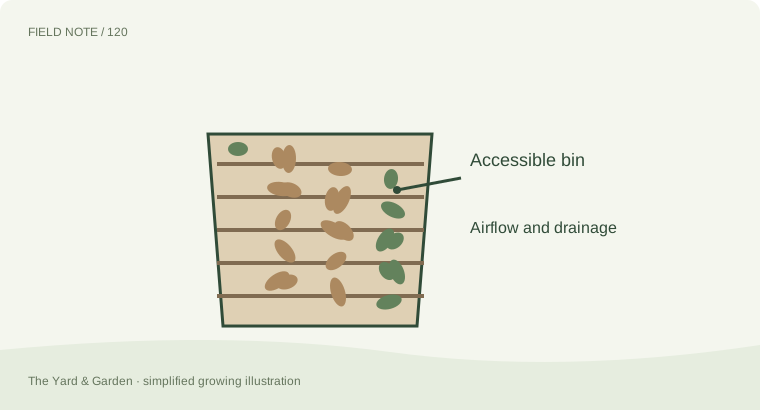
Use a bin design and composting worm species recommended by a reliable local source. Ordinary garden earthworms are not automatically suitable. Prepare appropriate moist bedding, ventilation, and drainage as the system requires, and protect the bin from excessive heat, freezing, and direct sun.
Start with modest quantities of suitable food. Observe how quickly it is processed before increasing the amount. Cover food with bedding according to the method, and keep unsuitable ingredients out.
Watch the bedding as well as the food
Persistent odor, excess moisture, escaping worms, or uneaten buildup can indicate conditions that need correcting. More food is not a kindness when the existing material is already overwhelming the system.
Do not assume liquid collected beneath a bin is a safe, ready-to-use plant fertilizer. Follow reliable guidance for handling it and for harvesting the finished material. A worm bin is most rewarding when its needs fit your routine and available space. If they do not, a conventional compost bin or an accepted collection service may be a better way to manage the same scraps.
Further guidance & source notes
- Oregon State University Extension: Composting with worms
- Royal Horticultural Society: Caring for soil
These are background resources, not an endorsement of this website. Regional instructions and the needs of your plant take priority.