Nursery pots can serve several rounds of seedlings or cuttings. Before saving every one, check whether its size and condition will actually be useful.
Sort before storing
Discard or recycle cracked, brittle, or badly distorted containers through an appropriate local route. Keep a manageable range of sizes so you can find a suitable pot without unpacking a tower of mismatched plastic.
Remove old labels only after recording any plant information you need. Wash the pots and clear the drainage holes. Where disease was involved, use appropriate cleaning and disinfection guidance before reuse rather than assuming a rinse is enough.
Use the pot for a suitable job
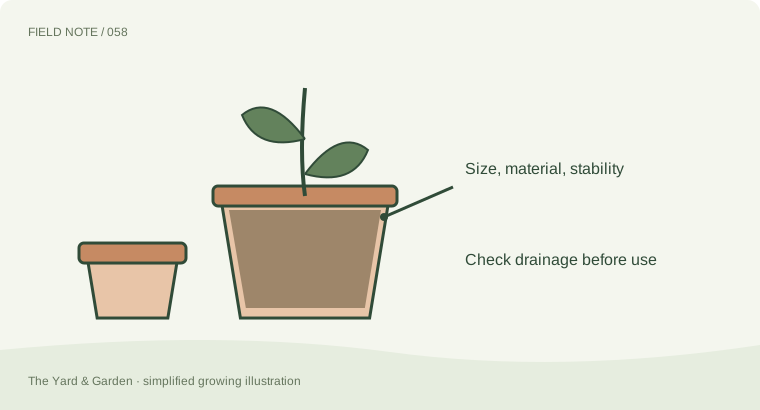
A small nursery pot can dry quickly and may tip under a tall plant. Put it in a stable tray that permits drainage, and check it more often than a large established container. Do not use unknown chemical containers as substitutes for plant pots.
Label new sowings immediately. Reused pots often carry memories of their former occupants, and a forgotten label can send you searching for the wrong care advice. A modest, organized supply is more useful than an ever-growing collection that takes up the workspace you need for actually planting.
Further guidance & source notes
- University of Maryland Extension: Potting and repotting indoor plants
- University of Maryland Extension: Growing media for containers
These are background resources, not an endorsement of this website. Regional instructions and the needs of your plant take priority.