Part shade can mean morning sun with afternoon protection, or scattered light beneath a tree. These settings differ in temperature, moisture, and root competition.
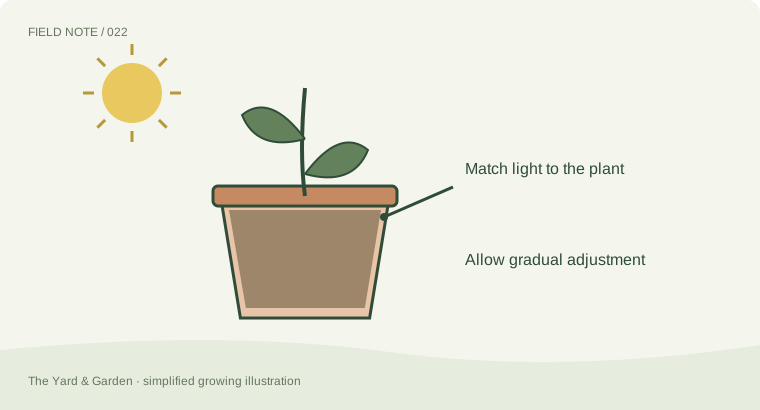
Describe the location first
Write down when direct sun arrives and whether the site feels open or enclosed. Deep shade beside a building is different from a bright sheltered patio. Use that description when choosing flowering plants and check their requirements by botanical name.
Many flowers sold for shade still need useful light to bloom. A dim indoor corner is not automatically suitable just because an outdoor label says partial shade. Windows also filter and redirect available light.
Adjust the care to the position
Containers in shade often dry more slowly than similar pots in sun. Check below the surface and empty standing water. Avoid crowding plants in an attempt to make a quiet spot look immediately full; foliage still needs space and ventilation.
If a plant grows leaves but very few flowers, review whether the location is too dark before increasing feed. Sometimes foliage plants provide a more satisfying result in the deepest shade. A successful first planting matches the actual space, even when that means revising the original picture of a pot covered in bloom.
Further guidance & source notes
- University of Minnesota Extension: Starting seeds indoors
- University of Minnesota Extension: Lighting for indoor plants and starting seeds
These are background resources, not an endorsement of this website. Regional instructions and the needs of your plant take priority.