Before opening the packet, gather the container, mix, label, and water. Once tiny seeds are scattered, it is surprisingly easy to forget which tray is which.
Prepare the surface
Use a clean tray or cells with drainage openings. Fill with a fine seed-starting mix appropriate to the flower. Moisten the mix before sowing so it feels evenly damp without being saturated. Break up lumps and level it gently; do not compress it into a solid block.
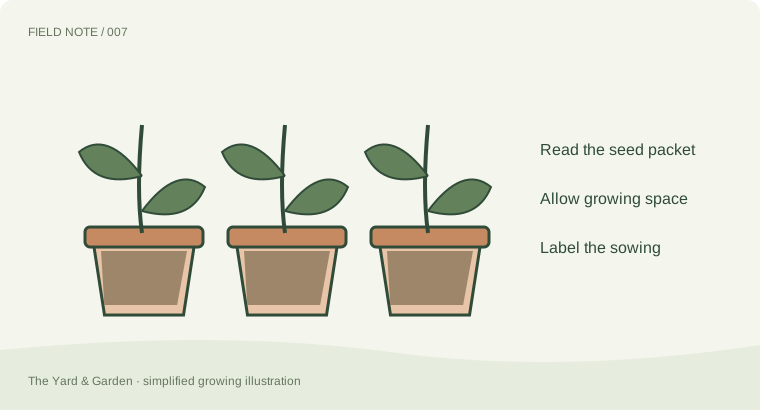
Check the packet for sowing depth and light requirements. Some seeds need covering, while others germinate better at the surface. A general rule about seed size should never replace explicit instructions for the species.
Give each sowing an identity
Label the flower, variety, and date. Sow sparsely enough that emerging seedlings have room for air and inspection. Water with a gentle rose or another method that does not wash seeds into one corner.
If you use a cover to retain moisture, inspect beneath it daily and remove or ventilate it promptly as seedlings emerge. Provide suitable light after germination. A tray that sprouted successfully still needs good growing conditions; germination is the beginning of care, not the moment the tray can be left on its own.
Further guidance & source notes
- University of Minnesota Extension: Starting seeds indoors
- University of Minnesota Extension: Lighting for indoor plants and starting seeds
These are background resources, not an endorsement of this website. Regional instructions and the needs of your plant take priority.