Bottom watering allows a suitable potting medium to draw water through a container's drainage openings. It can be useful for delicate seedlings or certain dry root balls, but it is not automatically the best method for every plant.
Use it as a monitored task
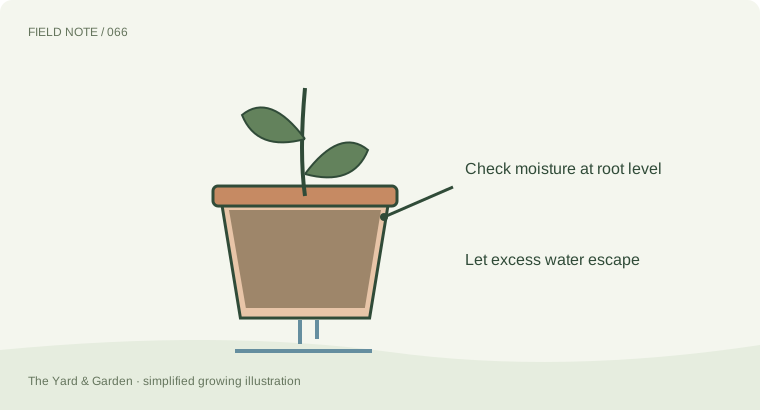
Place the pot in an appropriate shallow tray of water. Keep water away from electrical items and surfaces that could be damaged. Check whether moisture is moving into the medium; absorption rates differ substantially.
When the root zone has reached a suitable condition, remove the pot and allow drainage. Do not keep adding water simply because the surface has not changed color. Deep pots can have a wet lower layer beneath a dry-looking top.
What it does not solve
This method does not make a blocked pot drain or cure root disease. It may also fail to wash accumulating salts out of the medium, so long-term care still needs attention to water quality, feeding, and species-appropriate flushing where needed.
Avoid sharing soak water between plants with suspected disease or pest problems. Keep trays clean. Bottom watering is most helpful when you understand why you chose it, observe the result, and return the plant to an environment where excess water can leave.
Further guidance & source notes
- University of Minnesota Extension: Fertilizing and watering container plants
- University of Maryland Extension: Potting and repotting indoor plants
These are background resources, not an endorsement of this website. Regional instructions and the needs of your plant take priority.