On a hot afternoon, a plant may lose water from its leaves faster than its roots can replace it. That can happen even when the root zone is moist.
Check the medium before watering. If it is dry enough to require water for that species, respond appropriately. If it remains wet, consider heat, wind, root health, and the plant's suitability for the position.
Use the daily pattern as evidence
Notice whether the plant recovers as temperatures fall and whether it begins the next morning in good condition. Persistent collapse, scorched leaves, or repeated severe stress should not be dismissed as ordinary midday behavior.
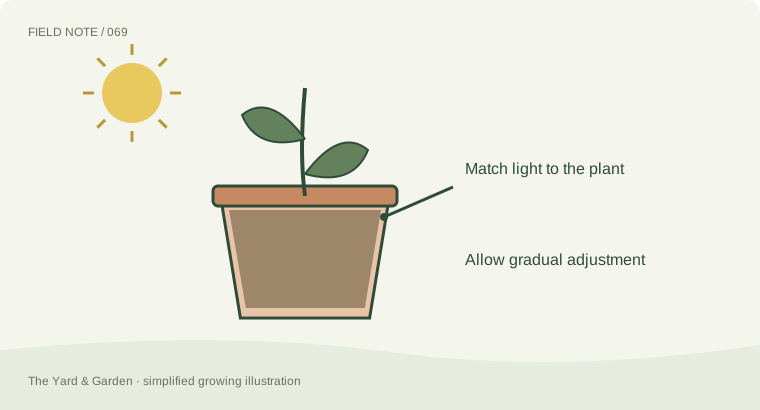
Temporary protection from the fiercest conditions may help where it can be provided safely. Keep airflow and suitable light, and avoid abruptly moving a plant between radically different environments every day.
For future planting, choose a species and container suited to that exposed spot. A small black pot on sunlit paving may be creating a root-zone problem that extra water cannot fully offset. Record what the mix felt like when the wilt occurred. That one detail helps prevent the common cycle of seeing drooping leaves, watering a wet pot, and then making root conditions worse while trying to help.
Further guidance & source notes
- University of Minnesota Extension: Fertilizing and watering container plants
- University of Maryland Extension: Potting and repotting indoor plants
These are background resources, not an endorsement of this website. Regional instructions and the needs of your plant take priority.