Collected rainwater can reduce reliance on mains water for ornamental gardening. Start with a purpose-built arrangement suited to your site rather than an open container that becomes difficult to manage.
Plan collection and storage
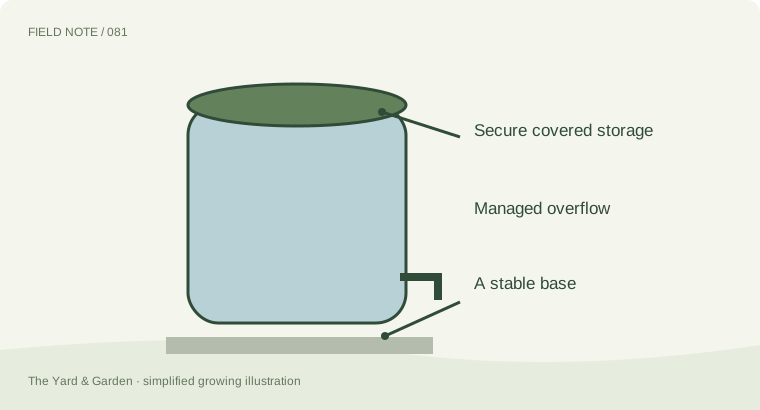
Use a secure covered vessel on a stable base, with a managed overflow. Keep children and animals from accessing stored water and use appropriate screening to reduce debris and insects. Follow local rules and the system manufacturer's instructions.
The collection surface affects water quality. Do not assume runoff from every roof or structure is suitable, particularly where materials or contamination are uncertain. Stored rainwater is not drinking water simply because it came from the sky.
Maintain what you install
Inspect gutters, screens, lids, and outlets. Clean the system as recommended and deal with leaks or stagnant debris. Place it where filling a watering can is practical without creating a trip or spill hazard.
For plants with specific water-quality requirements, learn those requirements directly. Rainwater may be useful, but the storage system still matters. A modest setup you can keep clean and secure is more valuable than a large reservoir whose condition you rarely check and whose water you use without knowing where it has been.
Further guidance & source notes
- Royal Horticultural Society: Collecting, storing and reusing water
- University of Maryland Extension: Potting and repotting indoor plants
These are background resources, not an endorsement of this website. Regional instructions and the needs of your plant take priority.