A shower can leave every leaf shining while the mix beneath stays surprisingly dry. Dense foliage, an overhanging roof, or a sheltered position may intercept most of the rain.
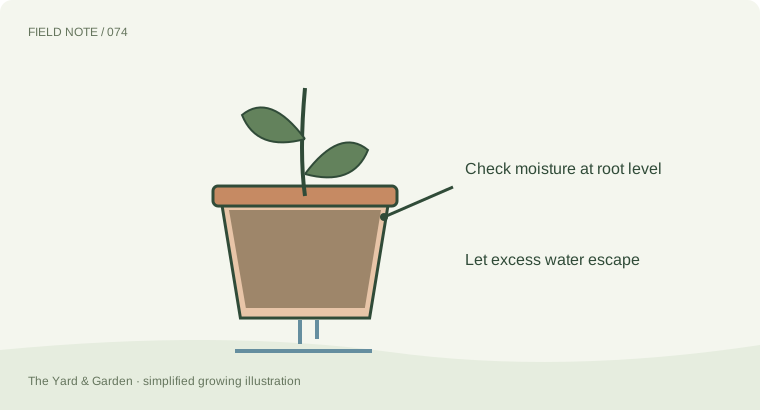
Inspect the pot itself
Feel below the surface and compare the container's weight where safe. Look at the ground around it: a wet patio is not a measurement of what entered this particular pot.
After prolonged rain, check the opposite problem as well. Saucers and decorative outer pots may be full, and blocked outlets can keep the medium saturated. Empty unwanted water and confirm that drainage is working.
Avoid a blanket decision
One container may need watering while its neighbor needs time to drain. A small pot beneath a leafy canopy differs from a wide exposed planter. Check new transplants especially carefully because their original root balls can remain separate moisture pockets.
A simple rain gauge can help describe weather in an open location, but it does not tell you precisely what happened inside every container. Let it complement direct checks. The useful habit after rain is not “skip all watering” or “water as usual”; it is noticing how the event changed the root environment in the pots you actually have.
Further guidance & source notes
- University of Minnesota Extension: Fertilizing and watering container plants
- University of Maryland Extension: Potting and repotting indoor plants
These are background resources, not an endorsement of this website. Regional instructions and the needs of your plant take priority.