After planting, the roots still occupy much of their old nursery root ball. Moist surrounding ground does not guarantee that this smaller pocket is moist too.
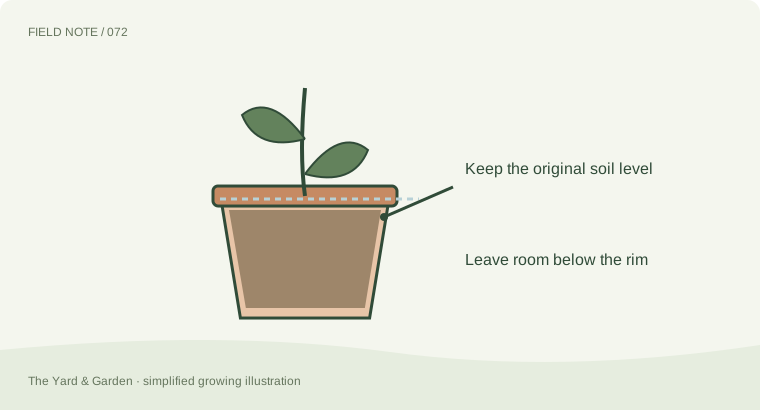
Check both materials
Feel the original root ball and the soil or new potting mix beside it where accessible. Different textures can wet and dry unevenly. Direct water so it reaches the existing roots without eroding soil away from them.
Water gently enough that it soaks in. Allow drainage in containers and avoid making a permanently wet basin around a crown that needs to stay clear. Species, weather, and soil determine the appropriate frequency of further checks.
Follow establishment, not a fixed deadline
As roots grow into the surrounding material, the plant's access to water changes. New growth and greater stability can be encouraging signs, but they do not mean watering can be abandoned during a dry spell.
If a transplant wilts, inspect the root ball before assuming the whole bed is dry. Conversely, do not keep saturating already wet ground simply because one disturbed plant looks unhappy. Care after planting is about maintaining a workable root environment while the plant establishes, with enough observation to distinguish thirst from other forms of transplant stress.
Further guidance & source notes
- University of Minnesota Extension: Fertilizing and watering container plants
- University of Maryland Extension: Potting and repotting indoor plants
These are background resources, not an endorsement of this website. Regional instructions and the needs of your plant take priority.