Dark material at the bottom of a bin can look finished before the whole batch is ready. Inspect more than one handful and remember when fresh ingredients were last added.
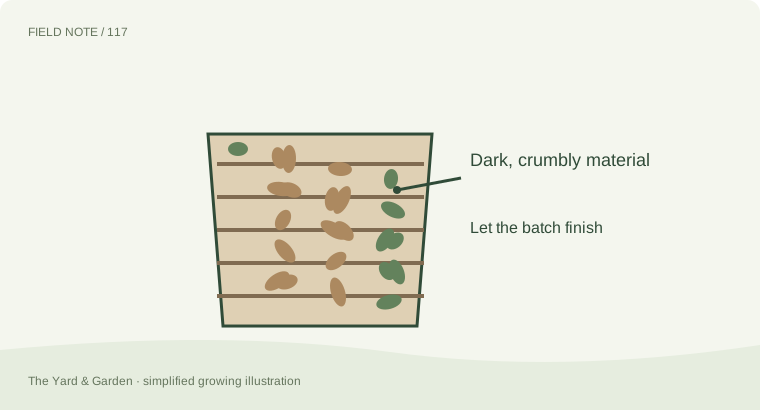
Look for a settled material
Finished compost is generally crumbly, earthy-smelling, and no longer dominated by recognizable soft food scraps. Some woody pieces can remain and may be screened out for another round. An active batch that reheats strongly after mixing may need more time before sensitive uses.
Allow a maturing period appropriate to the process and intended application. Avoid placing unfinished compost directly around delicate roots or treating it as a complete potting medium.
Choose the use conservatively
A material suitable for an established garden bed is not automatically suitable for seed sowing. Ingredient history matters, including potential chemical residues or diseased material. Appearance alone cannot test for those concerns.
Keep fresh additions separate from a batch you want to finish. Marking a stop-adding date makes assessment easier than trying to remember whether yesterday's scraps went into the same corner. Composting rewards a clear ending: giving a batch time to settle lets you use the result deliberately instead of repeatedly disturbing the whole bin in search of something that looks ready.
Further guidance & source notes
These are background resources, not an endorsement of this website. Regional instructions and the needs of your plant take priority.