Once a batch has matured, decide where it will be useful before emptying the bin. Compost varies, so consider its ingredients, texture, and the needs of the planting.
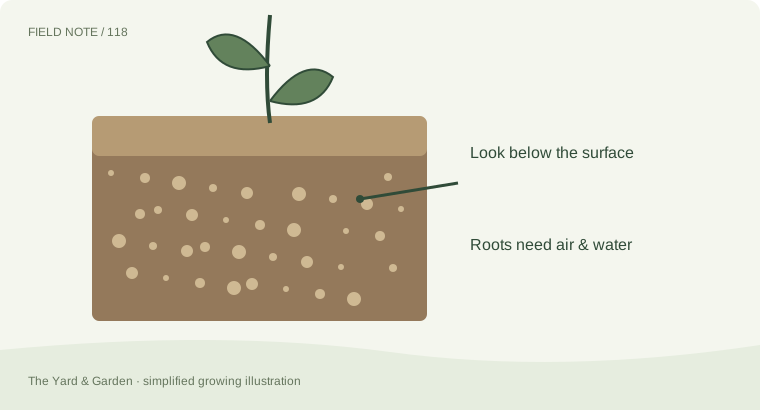
Use it with the existing soil
Suitable mature compost can be incorporated where appropriate or applied as a surface amendment or mulch, following local guidance. Keep material away from plant crowns and trunks, and avoid excessive repeated additions without considering nutrient levels.
For established beds, a soil test and a record of past additions help prevent the assumption that more organic material must always be better. Compost can supply nutrients as well as alter physical properties.
Be more cautious in containers
Do not treat homemade compost as a complete replacement for a suitable potting mix. Delicate seedlings and specialized plants need a more controlled medium. If a tested recipe includes compost, use known mature material and the recommended proportions.
Keep the application manageable and observe the result over time. Finished compost is one part of soil care, alongside plant choice, drainage, moisture, and avoiding compaction. Its value comes from using an appropriate material in an appropriate place, not from spreading the entire batch wherever there happens to be bare ground.
Further guidance & source notes
These are background resources, not an endorsement of this website. Regional instructions and the needs of your plant take priority.