A mower collection can provide a large amount of fresh material at once. Tipping the whole load into one compressed layer often creates a dense, wet mass.
Check where the clippings came from
Know whether the lawn received herbicides or other treatments and follow the relevant product and local guidance about composting. Do not accept an unknown bag of clippings and assume the finished compost will be suitable for sensitive plants.
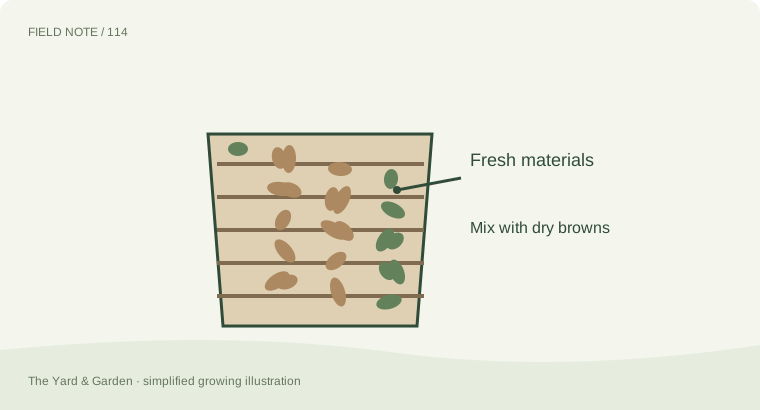
Where clippings are suitable, add them in manageable amounts and mix with browns and other material. Break up clumps so the pile keeps an open structure. Store or redirect excess through an appropriate route instead of exceeding the bin's capacity.
Consider leaving some on the lawn
Under suitable mowing conditions, returning short clippings to the lawn can be useful and avoids creating a separate material-handling problem. Follow local lawn guidance, especially where disease or treatments complicate the decision.
Watch the compost after a grass addition. Excess heat, compaction, moisture, or odor may indicate that the mixture needs attention. The task is not to fit every clipping into the bin at any cost. It is to manage a suitable quantity in a way that supports decomposition without importing an avoidable treatment or texture problem.
Further guidance & source notes
These are background resources, not an endorsement of this website. Regional instructions and the needs of your plant take priority.