Fallen leaves can become a useful soil-improving material through a relatively slow, largely fungal process. Leafmould is not the same as a mixed food-and-garden compost, and it should not be expected to behave identically.
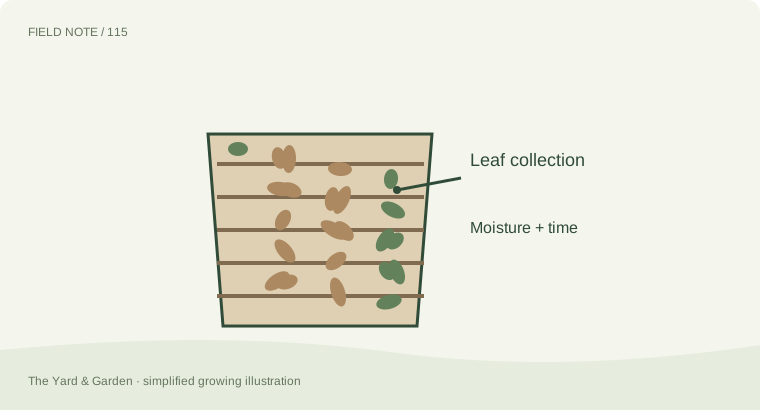
Give the leaves a place and moisture
Collect suitable leaves in a contained, ventilated arrangement that keeps them from blowing away. Moisten dry material and check it periodically. Some leaves break down much more slowly than others; shredding suitable leaves can help increase the exposed surface.
Do not pack the material into an impenetrable mass or assume rain has reached the middle. Keep the system secure and accessible enough that it does not become a forgotten pile full of litter.
Let the intended use guide readiness
More decomposed material has a finer texture than an early leaf mixture. Choose uses appropriate to its condition, such as soil improvement or mulch, and follow reliable guidance before using it in a delicate container or seed-starting blend.
Leafmould is usually valued for physical soil benefits rather than as a complete fertilizer. Keep that distinction clear. A separate leaf collection can simplify autumn garden work while leaving the main compost bin room for other materials, provided you are willing to let time do a substantial part of the job.
Further guidance & source notes
These are background resources, not an endorsement of this website. Regional instructions and the needs of your plant take priority.